
Content journey
From documents you trust to answers you can defend.
Six capabilities that separate professional-grade private AI from generic search-with-a-chat-window — each illustrated with the same story your stakeholders already tell themselves about risk, evidence, and accountability.
Part 01
Your AI knows which documents matter most
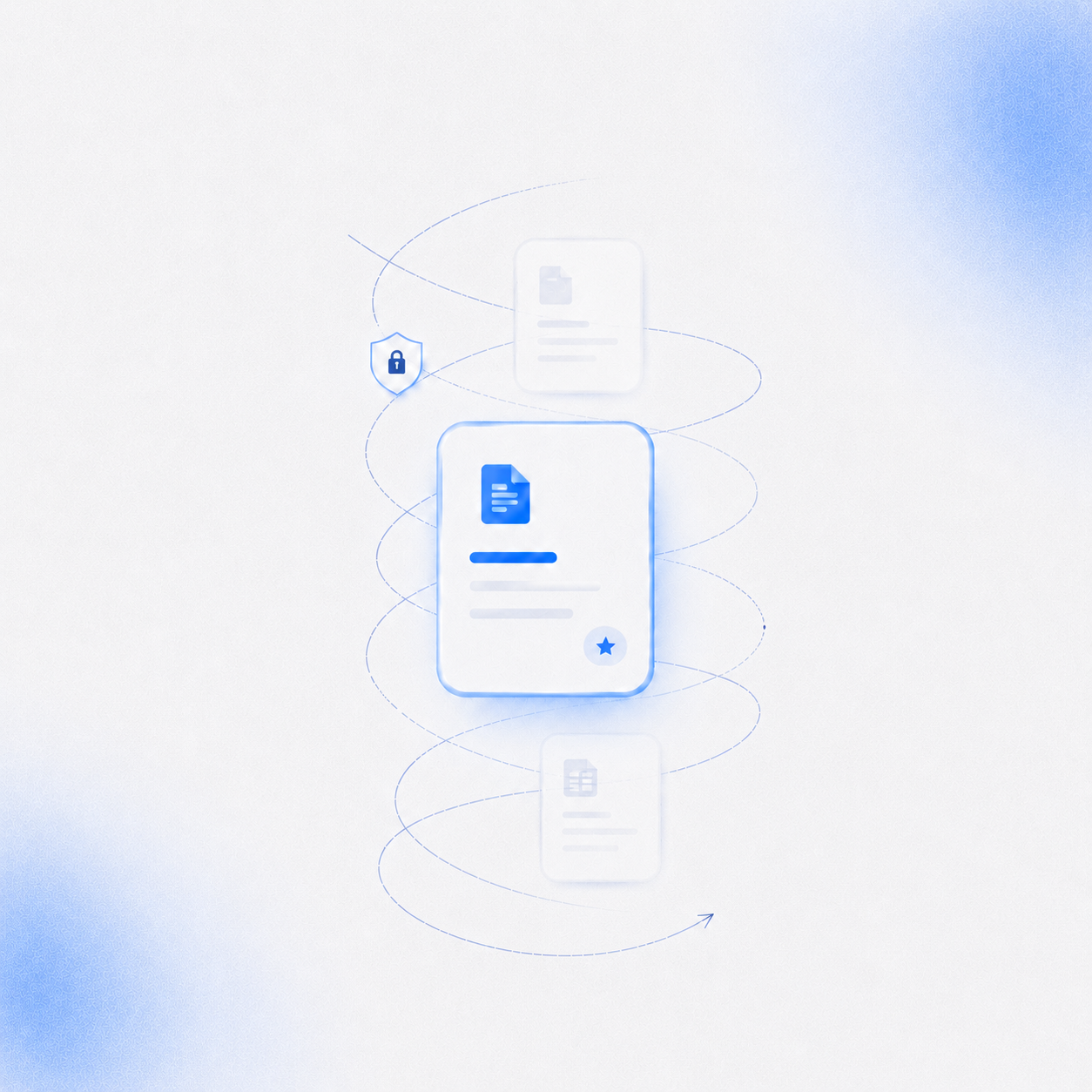
- Most AI systems search your entire document corpus on every query — treating a five-year-old archived memo with the same weight as your most critical active contracts. As your corpus grows, so does the noise.
- OfflineIQ's proprietary indexing engine continuously analyses your organisation's document landscape and automatically prioritises what matters.
- The system builds a living map of your knowledge — learning which documents your team relies on, which are peripheral, and which are archived — and structurally organises retrieval around that hierarchy.
- Precision stays constant. Speed stays constant. The system gets sharper the longer you use it.
Part 02
It doesn't just find relevant documents. It finds the authoritative ones.
- Semantic similarity is not the same as authority. A document can be closely related to your question and still be the wrong answer.
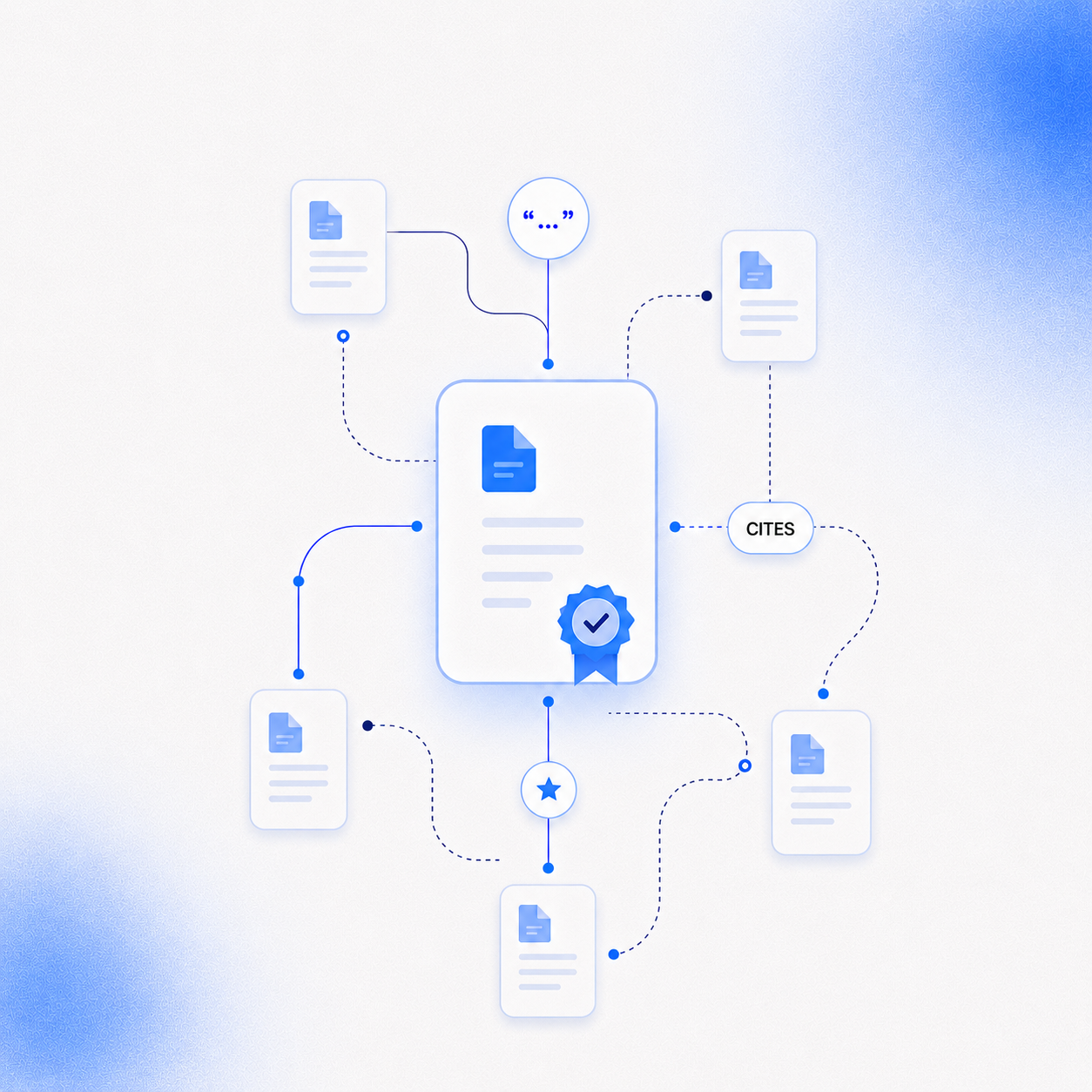
- OfflineIQ builds a dynamic relationship graph across your entire corpus — mapping how documents reference each other, which clauses govern which obligations, and which precedents your own team cites most.
- When you ask a question, the system surfaces answers from the documents your organisation actually relies on — not just the ones that are textually similar.
- The difference between a relevant answer and the right answer.
Part 03
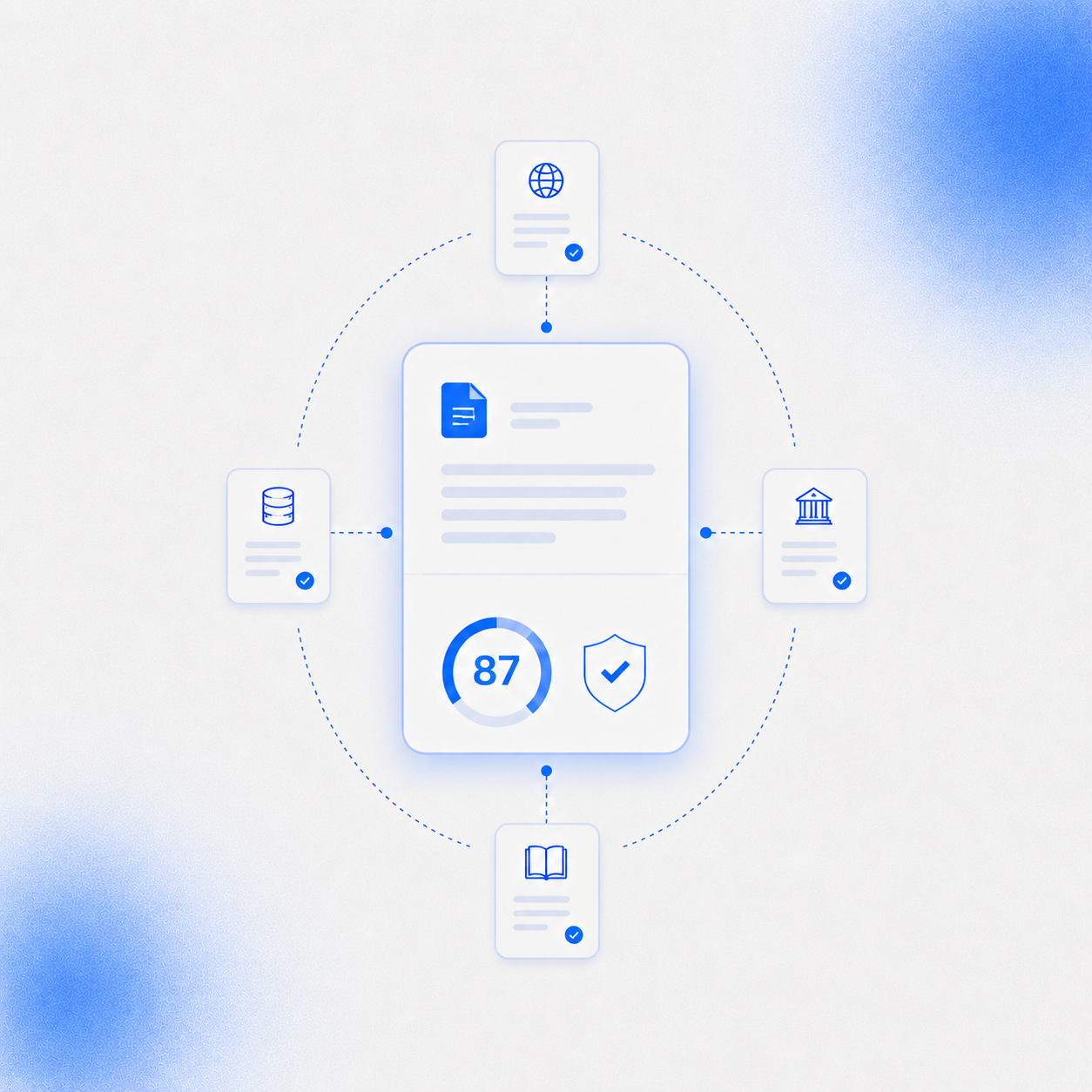
Every answer comes with a trust score
- Generating an answer is the easy part. Knowing whether to act on it is the hard part.
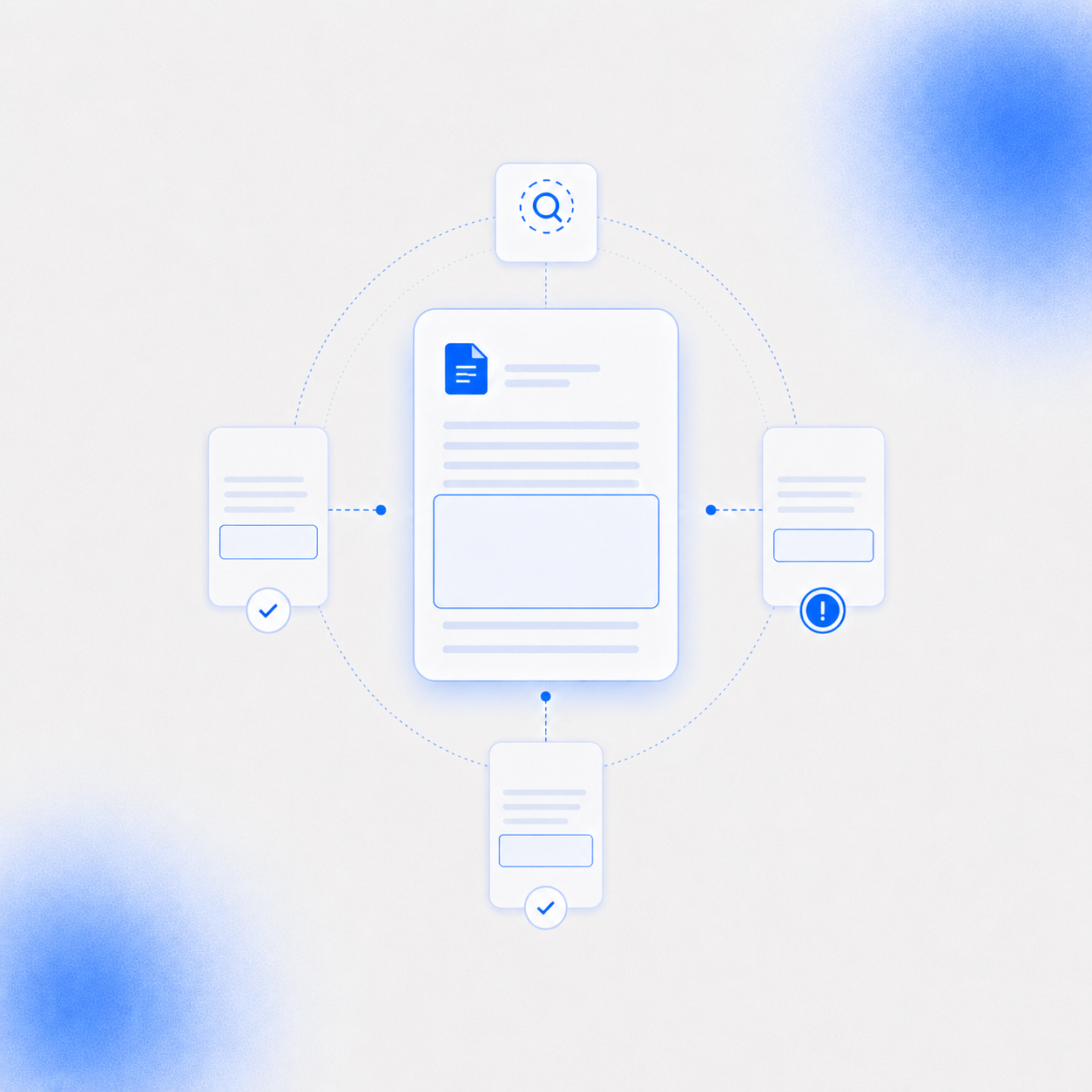
- OfflineIQ runs a proprietary verification layer on every response before it reaches you — cross-referencing multiple independent evidence signals to produce a mathematically derived confidence indicator.
- Strongly grounded in four corroborating sources. Partially supported with gaps worth reviewing. Insufficient evidence — verify independently.
- For professionals who carry real accountability for their decisions, this signal is not a convenience feature. It is a professional safeguard built into every interaction.
Part 04
It cites the exact clause. Not just the document.
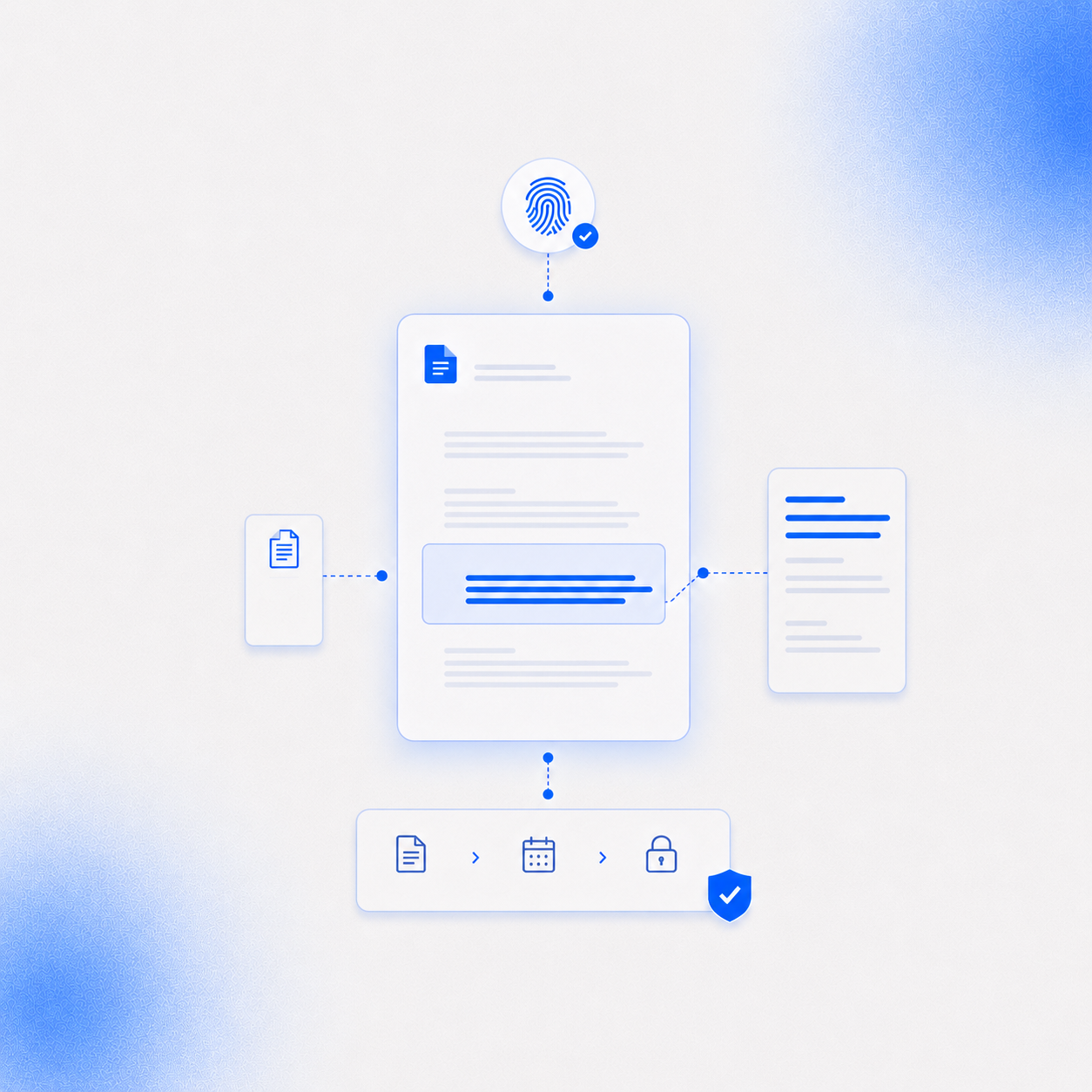
- Document-level attribution tells you where to look. Clause-level provenance tells you exactly what was read, where it lives, and what it contributed to the answer.
- OfflineIQ traces every claim in every response back to its originating section, page, and clause — and permanently locks that citation record with a cryptographic fingerprint.
- The complete evidence trail behind every answer is immutable and audit-ready.
- Six months from now, if a regulator, a partner, or a client asks what your AI said and what it based that on — you can prove it. Down to the line.
Part 05
It notices when your documents change meaning — not just when they change
- A document can be updated a hundred times without its meaning changing once. Or it can change one word and shift a legal obligation entirely.
- OfflineIQ's semantic mutation engine analyses every document update at the meaning level — not the character level. Surface edits are filtered out automatically.
- Semantically significant changes — a liability cap reduced, a payment term extended, a governing law clause quietly modified — are detected, logged, and surfaced to the right people immediately.
- Your organisation's knowledge base is not just stored. It is actively monitored.
Part 06
It understands the difference between what changed and what matters
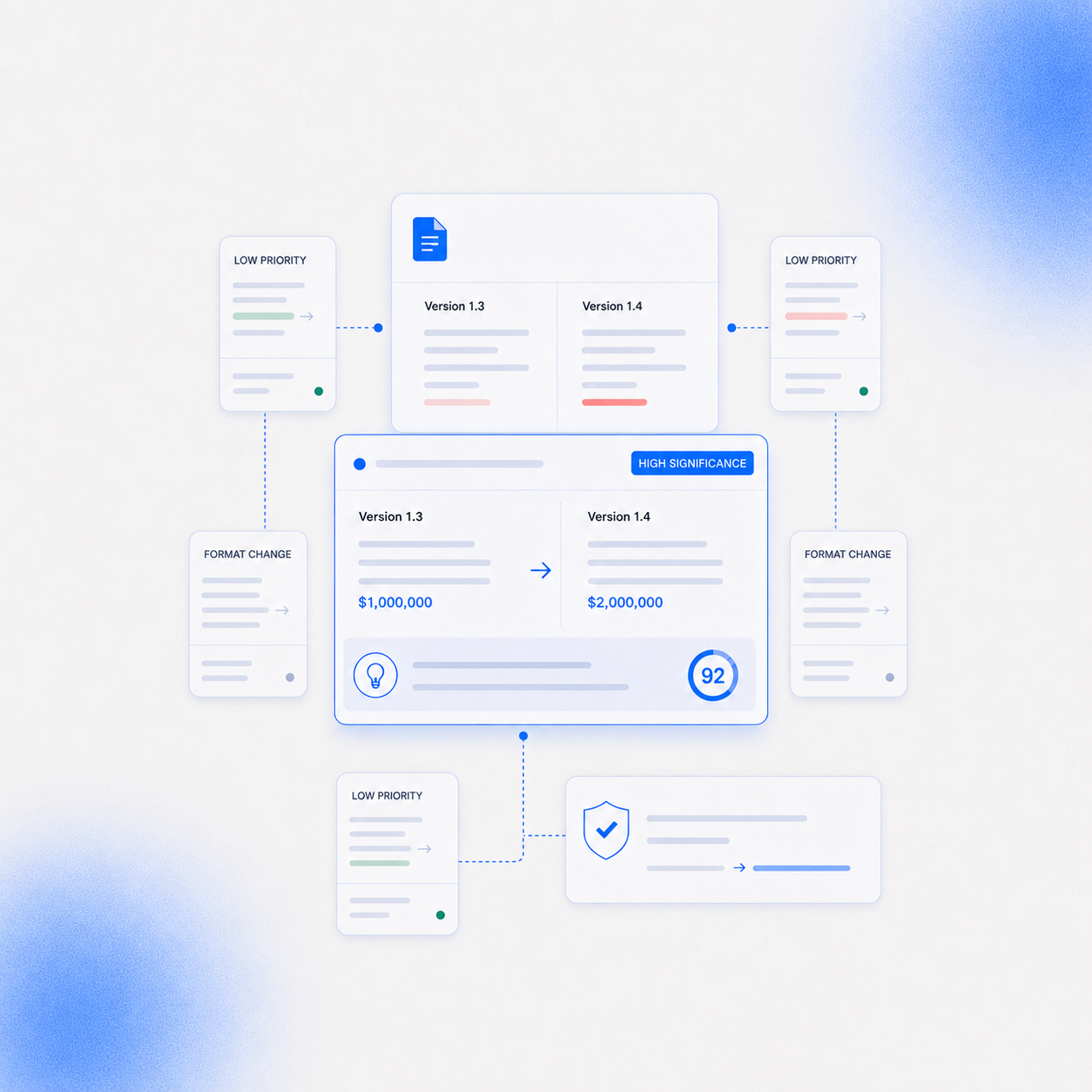
- Running a comparison between two documents and producing a list of differences is a solved problem. Understanding which of those differences carry professional significance is not.
- OfflineIQ's comparative analysis engine operates at the semantic level — aligning clauses by meaning rather than position, scoring each change by its likely significance to your specific context, and surfacing the ones that matter at the top.
- A reformatted paragraph disappears. A liability clause that shifted scope surfaces immediately with a plain language explanation of what changed and why it is worth your attention.
- Not a track changes report. A professional-grade semantic audit.
Ready to map this journey to your controls?
We will walk security, legal, and business sponsors through the same narrative — tied to your deployment model and evidence requirements.